
📋 Investment Planning
The first step in investing is not recklessly choosing which stocks to buy. John Bogle and the Bogleheads community consider it the most important principle to formulate your own unshakable Investment Policy Statement (IPS) in writing before starting to invest in earnest.
The following is the '5-Step Guide to Investment Planning' recommended by the Bogleheads community, reconstructed to fit the situation of Korean investors.
Source, assumptions, and limits
The U.S. framework is based on Bogleheads Prioritizing investments. The sequence below is my Korean adaptation and can change with interest rates, income, tax law, and withdrawal restrictions. Confirm tax-credit limits and rates in current Korean National Tax Service guidance.
1. Educate yourself
The first thing to do is to learn the basic principles of finance yourself. The moment you entrust the future of your assets to someone else (a bank teller, brokerage private banker, YouTube expert, etc.), their 'fees' will eat away at your 'compound returns'.
- Have independence: The financial industry makes money by selling complexity. The truth of investing is much simpler than you think, and individual investors must have the confidence that anyone can manage a great portfolio themselves.
- Read the classics: You must build a foundation by reading time-tested classics, rather than trendy personal finance books. Good starting points include John Bogle's The Little Book of Common Sense Investing and Taylor Larimore's The Bogleheads' Guide to Investing.
2. Investment Plan
Before launching a ship, you must clearly decide on the destination and the duration of the voyage. This process documented is the Investment Policy Statement (IPS).
- Set financial goals: The investment duration (Time Horizon) completely changes depending on the nature of the funds (marriage funds, buying a house, retirement pension, etc.). Money that will be used within 3 years should not be invested in stocks.
- Control cash flow: Controlling spending to spend less than you earn and increasing your savings rate is the engine of all investments.
- Secure living expenses (emergency fund): Separate essential living expenses such as credit card bills, apartment maintenance fees, utility bills, communication bills, and food expenses to be paid this month into cash in a CMA or parking account. This is the first line of defense that prevents short-term cash flow tangles and prevents the disaster of selling stocks compounding at low prices.
3. Asset Allocation
IMPORTANT
Asset allocation is one of the main factors shaping a portfolio’s risk level and variation in returns.
What is overwhelmingly more important than individual stocks (Samsung Electronics or Apple) or market timing is determining the 'ratio of stocks to bonds/cash'.
- Ability and Need to take risk: You need to figure out how much risk you can handle (Ability) considering your age, job stability, and the time left until retirement. Also, you must consider whether you really need (Need) to endure the high volatility of stocks to achieve your goals.
- Simple rules: Ranging from the classic rule of holding safe assets (bonds) equal to your age, to the aggressive rule of '120 - age = stock proportion'. The key is to set a stock proportion that is just enough so that you don't sell everything in a panic when a market crash comes.
4. Portfolio Construction
Once asset allocation (70% stocks : 30% bonds) is done, now decide which products to fill the blanks with.
- Broad and Simple: Rather than complexly splitting into Korean stocks, US stocks, emerging market stocks, etc., utilize broad market index ETFs (e.g., VOO, VTI, KOSPI 200, etc.) that invest in the entire global capitalism.
- Focus on low-cost index funds: Form the core with index funds that have low fees (TER) and transparent structures. Avoid active funds involving human managers' subjective opinions or trendy thematic ETFs as much as possible.
- Minimize maintenance: A portfolio is harder to maintain than to construct. Since a complex portfolio eventually leads to management failure, aim for an 'ultra-simple structure' that only requires rebalancing once a year according to a set ratio.
5. Investing Priority
When surplus funds arise each month, deciding the order of which basket (account) to fill first to most efficiently save on taxes and interest is very important. In the Bogleheads philosophy, this is intuitively expressed as a flowchart.
Figure 1. Bogleheads Original Investing Priority
This is the original model designed based on US tax benefits (401k, HSA, IRA, etc.), education savings (529), and mortgages.
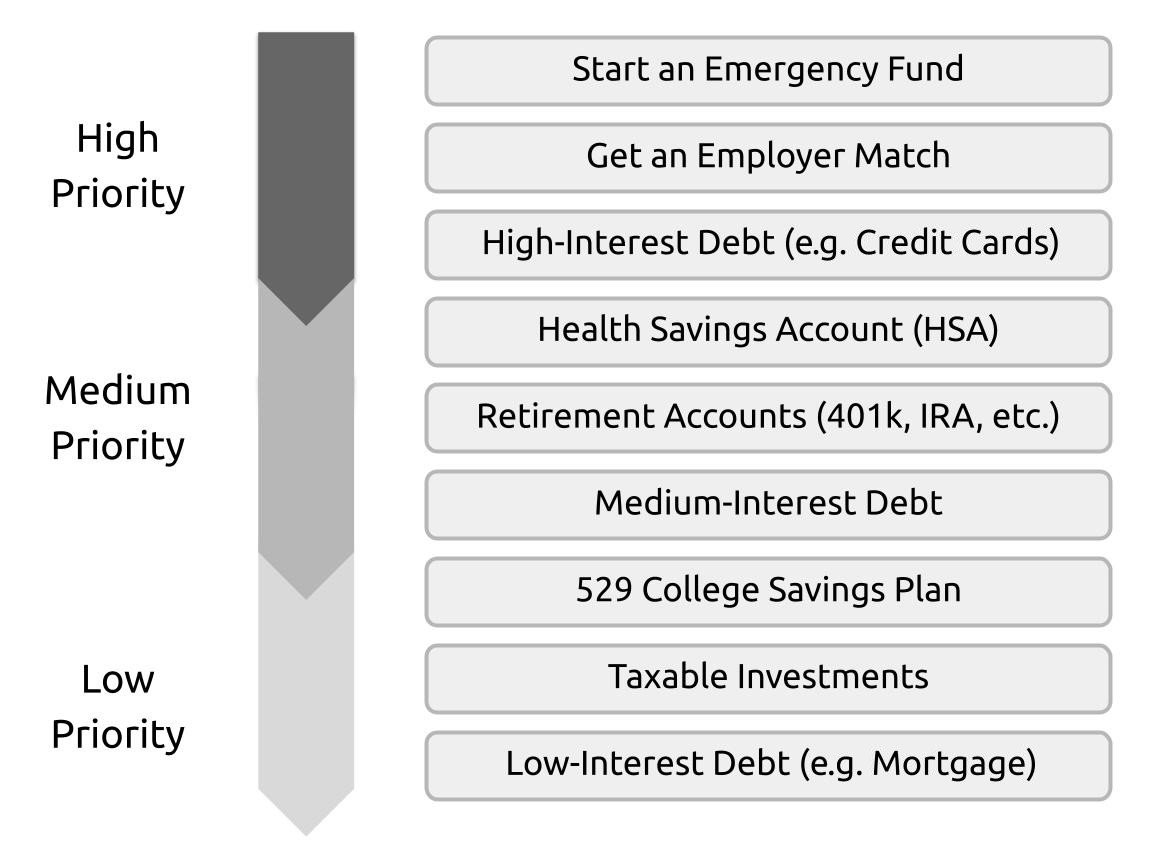
Figure 2. Korean Localized Investing Priority
This is my adaptation of the original sequence—emergency funds, high-interest debt, tax benefits, student loans, and the mortgage-versus-investing decision—to Korean accounts and debt conditions. The order can change with an individual’s interest rates, income, taxes, and purpose for the money.
Core path
- Secure this month’s living expensesIf they are short, deposit cash in a CMA, MMF, or parking account first.
- Do you have debt above 5% interest?If so, repay it before moving on to the next step.Yes · repay, then continueNo · next step
- Fill the Pension Savings and IRP tax-deduction limitContribute up to the annual KRW 9 million limit first.
- Fill the annual ISA limitUse tax deferral and other available tax benefits.
- Do you have an outstanding student loan?If so, repay it before moving on to the next step.Yes · repay, then continueNo · next step
- Invest through a taxable accountUse direct investing and additional asset allocation.
- Extra payments on low-interest, fixed long-term debt · lowest priorityContinue making scheduled payments. Decide on extra principal payments by comparing the after-tax loan rate with the return on a safe asset of comparable duration, alongside liquidity, variable-rate risk, and peace of mind.
Core Strategies by Priority
- Monthly living expenses account (CMA/MMF/Parking Account): First, secure essential living expenses such as credit card bills, apartment maintenance fees, utility bills, communication bills, and food expenses to be paid this month as cash in a CMA/MMF/parking account. This is the minimum safety net to prevent situations where funds are tied up in investments, blocking the cash flow essential for daily life.
- Paying off high-interest debt: Repaying debt above 5% reduces that interest expense. Early-repayment fees and the need for an emergency fund should also be considered.
- Pension Savings Fund and IRP (for tax deduction): Pension-account tax credits can be useful for eligible investors. Limits and rates depend on current rules and personal income, so the latest official guidance should be checked.
- ISA (Individual Savings Account): An essential tax-saving account that can maximize tax deferral and separate taxation benefits for mid-to-short-term purpose funds and investing in overseas ETFs listed domestically.
- (Own) Student Loan Repayment: This is the Korean alternative to the Bogleheads Original's 529 Plan (children's education savings). Respect independence by having children resolve their own education funds, and instead, if you have remaining student loans, pay them off to complete psychological/financial independence.
- General Taxable Accounts: After using tax-advantaged accounts, invest remaining funds in a taxable account in line with your asset-allocation policy.
- Extra payments on low-interest, fixed long-term debt (mortgages): Continue scheduled payments, but place extra principal payments last. Since an extra payment earns a guaranteed return equal to the after-tax loan rate, compare it with the return on a safe asset of comparable duration. Also consider liquidity, variable-rate risk, early-repayment fees, and peace of mind.
📖 References
This guide is written based on the proven investment planning process of the Bogleheads community. The original text can be found at the links below.
- 🔗 Bogleheads Wiki: Prioritizing investments
- 🔗 Bogleheads Forum: Asking Portfolio Questions & Investment Planning (viewtopic.php?t=6211)
👉 Back to the main investment philosophy (10 Bogleheads Principles)